

Spine Services
Why Choose ISIC for Complex Spine & Spinal Cord Injuries Treatment

ISIC HealthCare (formerly Indian Spinal Injuries Center) has grown from a specialized spinal injuries center into a hospital that brings together several medical specialties, with deep expertise in spine care, orthopaedics (bone and joint care), nerve and muscle conditions, and rehabilitation.
ISIC has treated more than 1.6 million patients, performed over 85,000 surgeries, and cared for more than 17,000 international patients from 55+ countries.
Its reputation is built on a distinctive combination of specialist clinical care, advanced surgical technology, comprehensive rehabilitation, academic collaboration, and a founding mission to restore independence after spinal injury.
A Vision Shaped by Major H.P.S. Ahluwalia
Major H.P.S. Ahluwalia, an Indian Army officer, mountaineer, and member of India's first successful Everest expedition in 1965, founded ISIC. Later that year, a spinal injury sustained during the Indo-Pak war left him paralyzed below the waist.
His rehabilitation experience in the UK exposed him to specialized spinal injury care and shaped his vision for a comparable center in India. That personal journey became the foundation of ISIC's long-term focus on treatment, rehabilitation and independence after spinal cord injury. This throughline connects directly to the more than 1.6 million patients the hospital has since treated across spine, orthopaedics and rehabilitation.
Read more about Major H.P.S. Ahluwalia's legacy and the story behind ISIC.
Advanced Spine Surgery and Technology
Spine care remains one of ISIC's core clinical strengths. The hospital manages conditions ranging from wear-and-tear changes in the spine to spinal injuries, tumors, and complex cases requiring repeat surgery, reflected in the breadth of procedures below, from motion-preserving surgery to advanced treatment for pain, muscle stiffness, and spasms.
Patients can explore the hospital's Spine Services for more information on its spine-focused clinical care.
Robotics and Intraoperative Imaging
We have introduced advanced technologies including the MAZOR X Stealth Edition robotic guidance platform and O-Arm 3D surgical imaging (3D scans taken during the operation) for selected spine procedures. These systems support surgical planning, imaging during surgery, and precise placement of implants (devices that support the spine) in complex cases.
Range of Spine Procedures
Depending on the diagnosis and individual clinical need, procedures at ISIC include:
• Motion-preserving procedures such as cervical disc replacement (disc replacement in the neck) and dynamic fixation (supporting the spine while allowing some movement)
• Minimally invasive procedures including endoscopic disc surgery (disc surgery using a thin camera instrument), microdiscectomy (removing part of a disc pressing on a nerve) and fixation (holding the spine steady) through small cuts
• Spinal decompression (relieving pressure on nerves) and fusion (joining spinal bones) procedures
• Percutaneous kyphoplasty (a procedure through small skin openings to help restore and stabilize a fractured spinal bone)
• Keyhole approaches through the chest or abdomen in selected cases
• Advanced procedures for pain and muscle stiffness or spasms, including implantation of a pump that delivers baclofen medicine into the fluid around the spinal cord
Comprehensive Rehabilitation Under One Roof
ISIC's spinal injury model extends beyond surgery. Rehabilitation is designed around regaining the ability to carry out daily activities, independence and reintegration into daily life.
Rehabilitation involving several specialists may include physiotherapy, occupational therapy (help with everyday tasks), mobility and walking training, devices that support daily activities, and support for adapting the home, workplace and transport environment.
This integrated model is especially important for people with spinal cord injuries, where long-term outcomes depend not only on the initial medical or surgical treatment but also on structured rehabilitation and continued support, which is why patients who undergo procedures such as spinal fusion or decompression move into this rehabilitation pathway rather than being referred out separately.
International Patient Care Across 55+ Countries
ISIC has treated more than 17,000 international patients from over 55 countries. Patients travel to the center for spine surgery, spinal cord injury care, orthopaedics, rehabilitation and other advanced specialist services. This symmetry is striking: Major Ahluwalia's own path to founding ISIC began with rehabilitation care he received abroad, and more than 17,000 international patients have since made the reverse journey to ISIC for comparable specialist care.
For overseas patients, ISIC provides information on registration, travel and hospital support through its International Patients section.
Academic Collaboration and Spine Research
Clinical care at ISIC is supported by teaching, training and research. The center has participated in international collaborations related to spinal cord injury education and has contributed to academic work in areas such as spine injuries, classification systems (ways of grouping injuries by type and severity), surgical techniques and rehabilitation.
One example is ISIC's contribution to the International Spinal Cord Society's online learning initiative, eLearnSCI, developed to support education in complete spinal cord injury care.
From a Spinal Injuries Center to a Multispeciality Hospital
Over time, ISIC has expanded beyond its original spinal injury focus into a broader multispeciality hospital while retaining spine, orthopaedics and rehabilitation as core areas of strength.
Its wider clinical services now include neurosciences (brain and nerves), cardiac sciences (heart), renal sciences (kidneys), gastro sciences (digestive system), critical care (intensive care) and other supporting specialties. This allows patients with complex medical needs to access several specialties within the same hospital when required, reflecting today's patient volumes, which extend far beyond spine and spinal cord injury care alone.
What Sets ISIC Apart?
• A founding mission shaped directly by lived experience of spinal cord injury
• Dedicated expertise in complex spine and spinal cord injury care
• Advanced surgical technology and imaging for selected procedures
• Integrated rehabilitation focused on everyday abilities and independence
• A substantial international patient base
• Academic, training and research activity linked to spine and rehabilitation
• Care from several specialties for patients with complex medical needs
Conclusion
ISIC's standing as a renowned spinal injuries center comes from more than surgical capability alone. Its strength lies in combining specialist spine care, rehabilitation, technology, academic engagement and support from several medical specialties within a single institution.
For people with complex spine conditions, spinal cord injuries, or those seeking a specialist opinion, this integrated approach can make evaluation, treatment and rehabilitation more coordinated.
Latest Blogs
View All BlogsLatest Blogs
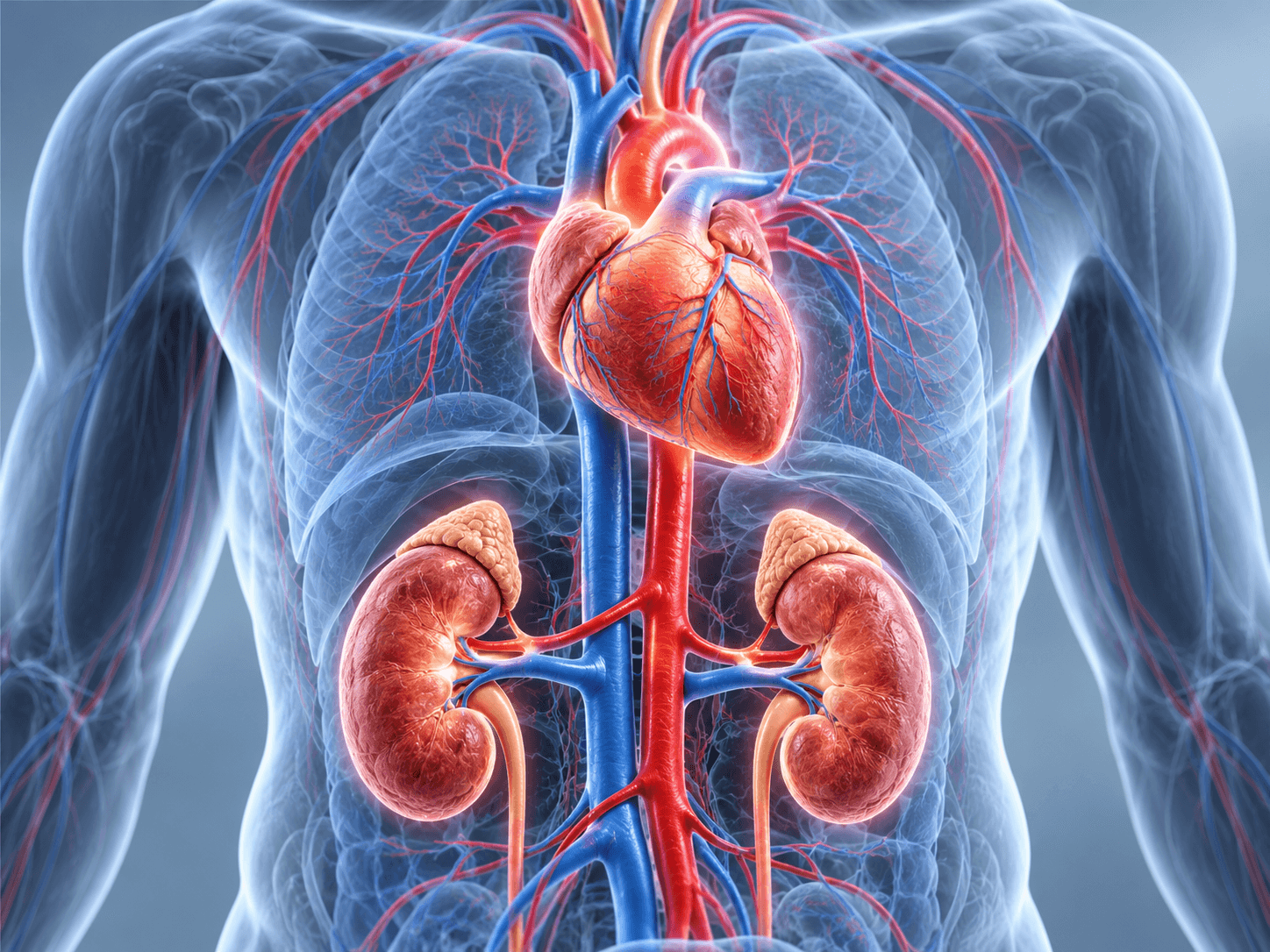
Cardiac Sciences
Is Your Heart the Same Age as You?
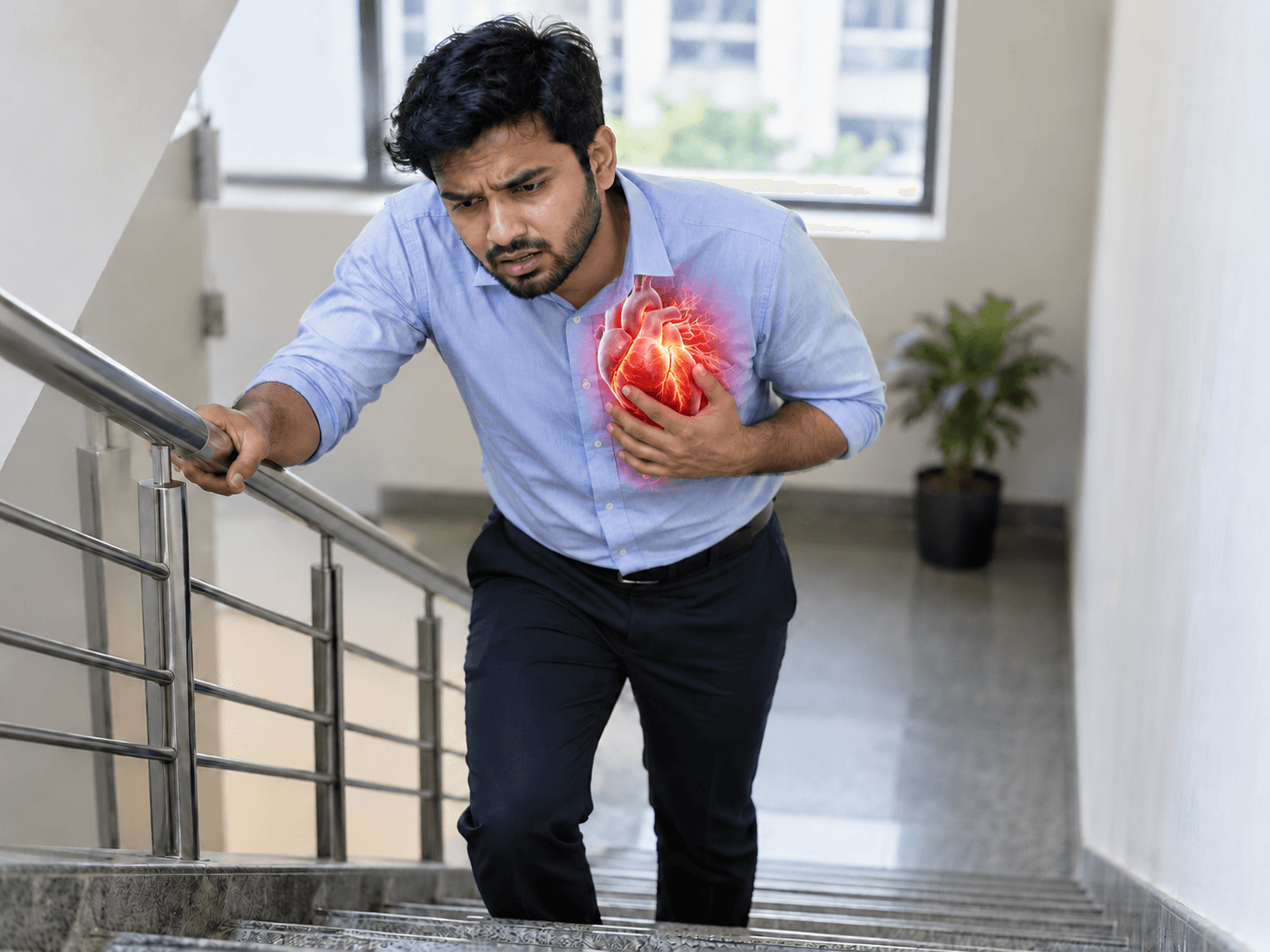
Cardiac Sciences
The Heart-Kidney Connection: Why Your Kidneys Matter for Your Heart (and Vice Versa)
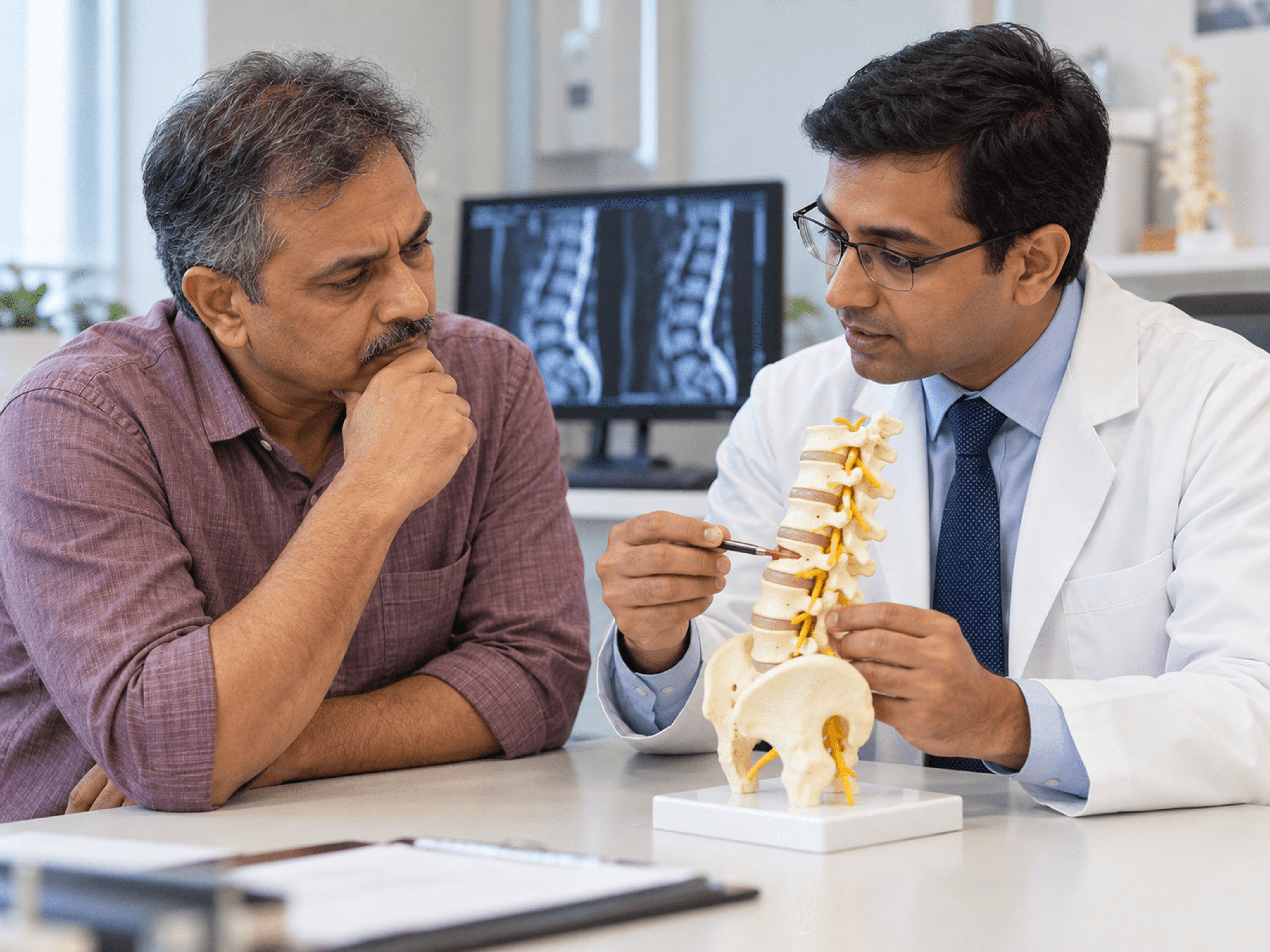
Spine Services
Conservative Treatment vs. Spine Surgery: When to Make the Call

Keeping Your Brain Healthy as You Age: Everyday Habits That Support Cognitive Well-Being
Cardiac Sciences
Is Your Heart the Same Age as You?
Cardiac Sciences
The Heart-Kidney Connection: Why Your Kidneys Matter for Your Heart (and Vice Versa)
Spine Services
Conservative Treatment vs. Spine Surgery: When to Make the Call
Keeping Your Brain Healthy as You Age: Everyday Habits That Support Cognitive Well-Being


